Image:
Lockdown Maths
Lockdown is hard, but there is still lots you can do. Whether you are able to venture into the outdoors once a day or for unlimited exercise (depending on your lockdown location) there’s lots of maths you can enjoy while you’re there:
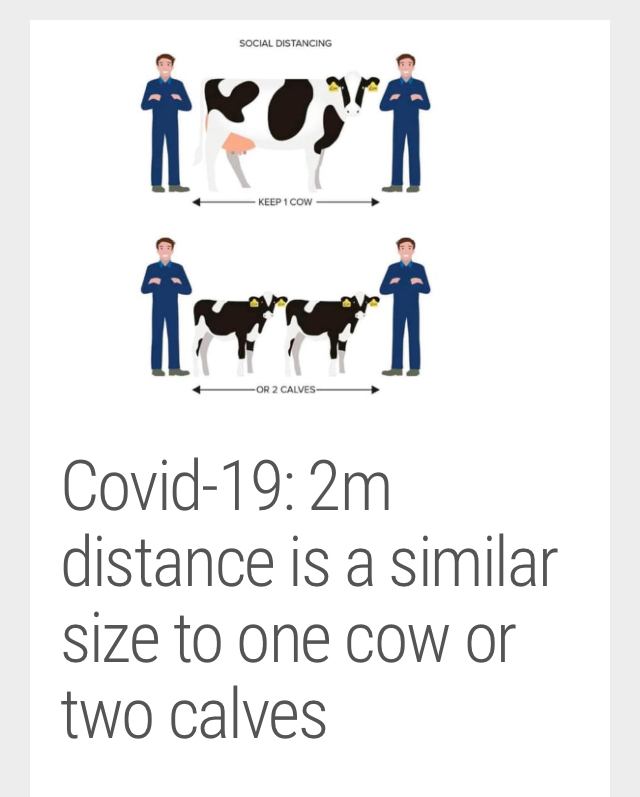
2 metres
Early on in lockdown small and I spent a lot of our daily dog walks estimating the all-important 2 metres. Can you stand 2 metres from that tree? How far away do you think the next lamp post is? How wide do you think the path/ pavement is? How tall might that tree be? We talked about how tall we were and imagined how much space we would take up if lying on the path. We also remembered how long a 30cm ruler and a metre stick were to help us.
As well as helping with the all-important social distancing, we added interest to our walks and improved our estimation skills. It led to discussions of how many of a particular bird/ animal/ shopping trolley etc could fill 2 metres…….
20 seconds
I have always been an advocate of estimating distance and time in the classroom (heads on desks and estimate a minute is always fun!) and have often observed small’s inability to estimate 2 minutes when brushing their teeth…. We do not always have a handy timer close by and a sense of time is important. Using the renowned banana counting method (1 banana, 2 banana etc) advocated by none other than the Red Arrows display team, we looked at what you can do in twenty seconds. How far can you walk/ run, how many hops can you do?
You can also estimate how long it takes to do something; how long can the dog sit for? (8 seconds if you’re interested- we are now working on training him better!) How long does a bird sing for uninterrupted? How long to the traffic lights spend on green in each direction? How long does it take to run 20 metres? How long does it take for a leaf to drift 2 metres down-stream?
Time and Distance
You may have noticed that my last two suggestions above actual use estimating distance and time. Once you know roughly how long your stride is (walking normally) you can start estimating speed. Given some roads are a lot quieter at the moment you can use the banana method to estimate how long it takes for a car to travel between 2 lampposts, for example, and then pace out the distance between them. You now have a distance in metres and a time in seconds, speed is measured in ms-1 so
\(\frac{distance}{time}=speed \)

Marvellous, but do you know how fast 2ms-1 or similar feels? For most people km per hour or miles per hour is more appropriate. So, thinking it through- if you travel 2 metres in a second you are going to go a lot further in an hour. 3600 times further to be precise (3600 seconds in an hour).
Therefore 2ms-1= 7200 m per hour (NOT mph)
It probably makes more sense to look at this in km per hour and that makes it 1000 times smaller (1000m in a km).
So, 2ms-1=7.2km per hour (kph)
Great, but if we want to compare this to speeds’ we experience, we’re still in miles per hour. There’s 1.6 km in a mile.
Finally, 2ms-1= 4.5 miles per hour (mph) note that mph is miles per hour not metres?!?
Or in short metres per second to kilometres per hour x 3.6 and metres per second to miles per hour x 1.25.
If you stayed with all that (!), you can then look at car speeds, see how fast a river flows on different days (using the drifting leaf or stick) and estimate how fast you/ the dog etc can run.
I am a slow runner and my watch tracks my progress in miles, mainly because when I am bored, I can calculate how far I’ve travelled in kilometres (multiply by 1.6) and the larger number makes me feel better. Other running maths includes converting my average speed and time per mile into metric units. I am also considering working out vertical and horizontal distance travelled for my hill training to make my pace seem better! I am a firm believer in value for money on any and event entry fees (non- lockdown) and have been known to calculate comparative costs per minute with speedier fiends to demonstrate my point!
Other Nature Maths
I have been trying to enjoy some more natural products and remedies recently and this has meant viewing nature in a different way on some of our outings. Can you estimate how many yellow dandelion flowers would fill a jam jar to make a natural muscle relaxer? How many wild garlic leaves makes to 300g needed for some pesto? How many nettles make 500g for a nettle tea? More importantly how many layers should you wear if you were to pick those nettles???? These are just a few ideas and please don’t go pulling up the countryside to test them out, but there is so much we can still see and do.
Stay Safe.
Nat


Add new comment